

How Much For Landlords Gas Safety Certificate?
A landlord's gas safety certification is an important part of maintaining a safe property. The cost of this test may be a shock to some landlords.
It is essential for landlords to be aware of the factors that influence the cost of this service. Find out more here. Landlords may also want to think about a service contract that includes an annual gas safety check and boiler servicing.
Location
Gas is used to power homes of millions in the UK. This means there is a large amount of infrastructure that has to be maintained and secured. Landlords are responsible for this via a range of different regulations. Gas Safety (Installation and Use) Regulations of 1998 are one example. The Gas Safety (Installation and Use) Regulations of 1998 oblige landlords to conduct regular checks on every appliance that uses gas in their homes. This is also referred to as a CP12 Gas Safety Check or a Landlord's gas certificate.
A CP12 gas safety inspection should be carried out by a certified professional and it covers several aspects of the property and its gas appliances. The engineer will ensure that the pipes and flues are in good functioning order as well as ensuring that the appliances have been set up correctly. The engineer will also verify that the gas appliances are working properly, and that the ventilation passages are clear of obstructions.
The CP12 gas safety test is valid for 12 month and landlords are required to provide a copy of the report to new tenants before moving in. Landlords must keep records of every check for two years. Additionally, landlords must give current tenants a copy of the CP12 before it expires.
It is essential that landlords choose a reliable and quick gas engineer. Getting a few quotes before choosing a person to conduct the inspection can help ensure that you pay an affordable price for the job. It's also a good plan to schedule the inspection in the summer, since heating engineers are typically busier during the winter.
The gas safety inspection typically takes between 30 to 60 minutes However, this could vary based on the size of the home and its gas appliances. The longer it takes to complete the test the more expensive it will be.
It is essential to know that only Gas Safe registered engineers can provide the CP12. This is to protect both the tenant and landlord's interests. Landlords should always ask for a Gas Safe Register Certificate to ensure that they get the best service they can.
The number of appliances
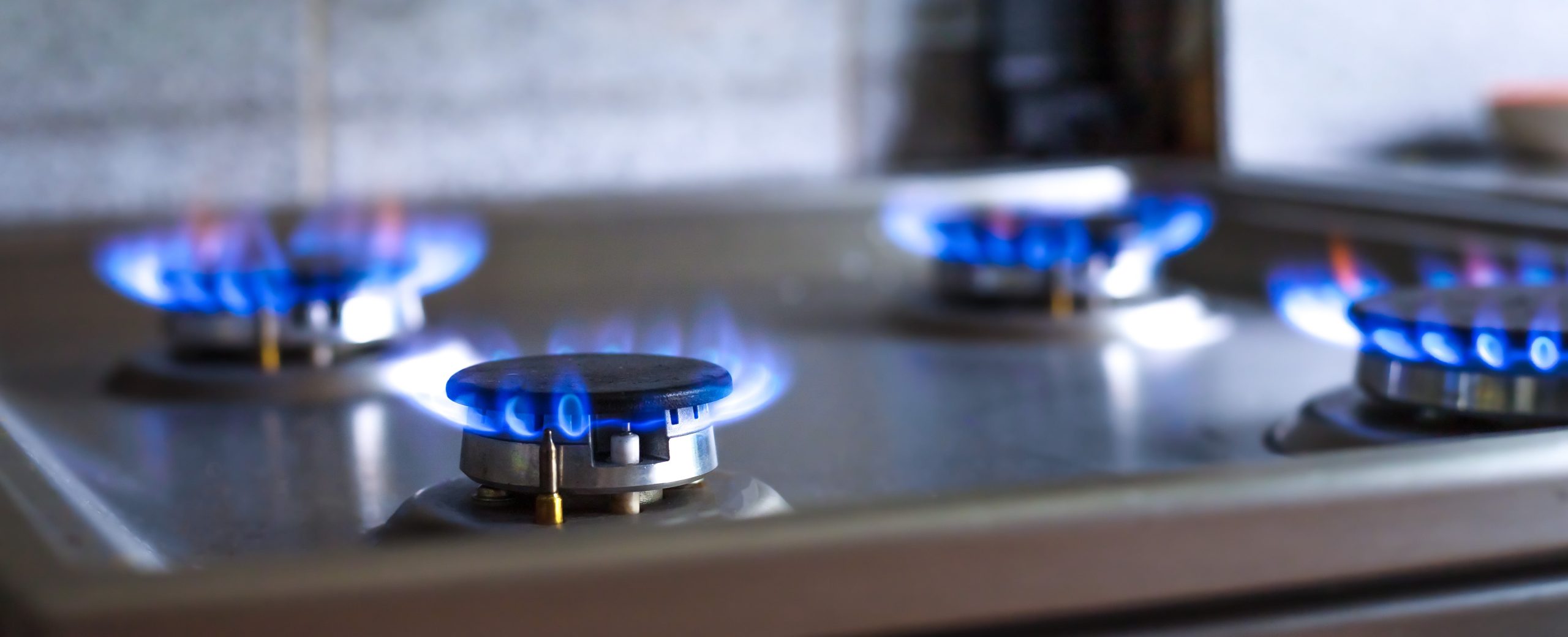
Landlords must ensure that all gas appliances, pipes and chimneys are in good in good working order. They must also ensure that harmful gases, like carbon dioxide, are safely removed from the premises and that ventilation passages are clear of obstructions. The landlord should always follow the guidelines of the manufacturer for maintenance, and any repairs should be carried out by a licensed engineer.
The cost of gas safety certificates for landlords will be contingent on a number of factors, including the location and the number appliances. Gas inspections are usually more expensive in urban areas. Costs in rural areas are generally lower. Some companies offer bundle deals which include gas safety checks as well as boiler servicing. This can be a fantastic way to save money, particularly for landlords with multiple properties or those who need regular boiler maintenance.
Landlord Gas Safety Records (also known as CP12s) are a legal requirement in the UK for landlords. They ensure that gas appliances in their properties are safe to operate. Without one, a landlord could face hefty penalties and possibly legal actions from tenants.
The annual inspection should be included as a recurring cost in the maintenance budget of the landlord. Landlords should shop around for quotes from Gas Safe engineers and compare prices before committing to any service. Landlords who want to have their gas safety checks done before the expiry date must be willing to pay a higher price since this is an urgent service.
Compare prices and add any additional costs, such as if the engineer must test each appliance, or if he is only required to examine the appliance. It is also important to remember that the inspection has to be performed by an Gas Safe registered engineer, so it is advisable to verify their credentials before booking an appointment. Landlords should not schedule an emergency inspection, since it will likely cost more than a standard inspection.
Type of Property
Landlord Gas Safety certificates are not only a legal requirement in the UK, but they also ensure that tenants are safe and secure in their rental homes. Landlords who are aware of the costs and what these inspections will be able to ensure that they are in compliance with all legal obligations, and that their rental property is in good shape for tenants.
The kind of property being examined has a significant influence on the cost. gas safety certificate uk with only one appliance might only need a quick inspection, but when the home has many appliances, including gas fireplace, boiler, and gas hob, then an in-depth inspection is required. This can increase the cost of a gas safety certification.
It is important to note that landlords are accountable for all the gas installations in their property, including flues, even if they are connected to appliances that are owned by tenants. It is therefore essential that landlords check that all appliances are operating properly prior to they let them go.
If a landlord discovers one of the appliances is not in good working order they should be replaced immediately. Gas Safe engineers or other gas experts can assist landlords in this. Landlords should check their gas safety every 12 months and provide their tenants an appropriate amount of notice.
The Housing Association may issue a Section 21 Notice to Landlords if they do not renew their Gas Safety Certificate. It's an excellent idea to have a service agreement with an Gas Safe Engineer so that their annual inspections are completed as part of the agreement. This will save them both time and money.
Many people still refer to the Gas Safety Record as a "gas safety check" even though the CORGI certificate is now replaced by a document referred to as the Gas Safety Record (also known CP12). To avoid confusion, it is best to always refer to the Gas Safety Record as a "Gas Safety Certificate".
Legal Obligations
It is mandatory to have your property examined annually and get an official certificate of gas safety when you own a property you rent out. This is a condition laid out in the Gas Safety Regulations and failure to follow the rules could result in severe penalties.
It is recommended that you look around for a service to supply and carry out your gas safety inspection. Prices vary greatly between different companies, so you should try to make a list of. You should also consider companies that offer combined services such as boiler servicing. These services might be more expensive, but they could save you money.
Before granting an Gas Safe certificate to a landlord, the company needs to verify that the engineer has been registered with Gas Safe. Verify their identity card which includes a photo and their name, as well as the date of registration. The landlord should also ask to see the credentials of the engineer before allowing them to enter the property. If a landlord suspects an engineer is not valid, they should contact the Gas Safe Register to report them.
All gas appliances in a property and those installed by the landlord are their responsibility. They must ensure that flues or chimneys that are connected to gas appliances are included in the inspection. It is recommended that a landlord include these in the inspection even if the appliance was not provided by them. Landlords are not required to check the gas appliances that tenants bring into their rental property. However they must make sure that the installation pipework that connects the appliances is part of a Gas Safety check.
In the event that the tenant is unwilling to grant access for an Gas Safety check, it is suggested that the landlord makes every effort to gain access. Sending a letter explaining why access is needed and what safety checks involve can be one way to do this. If access is denied, the landlord can consider taking legal action.